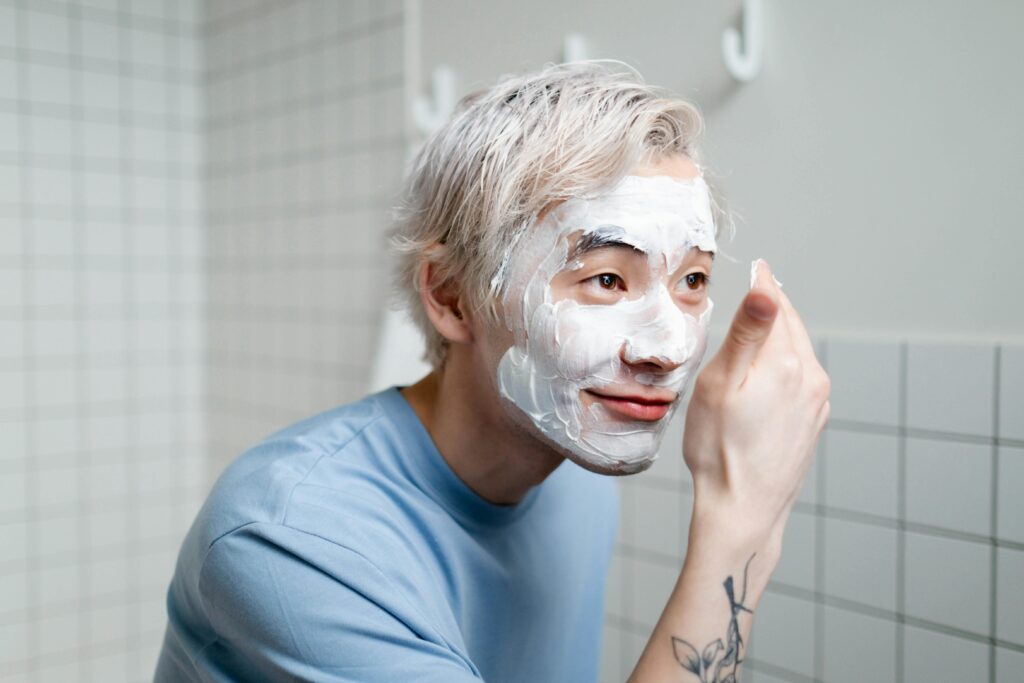


Sleep Your Way to Clear Skin: The Acne-Sleep Connection


Are late-night study sessions or binge-watching your favorite show causing your acne to flare up? It turns out, there’s a strong acne-sleep connection between sleep and skin health, particularly when it comes to acne. In this article, we’ll explore how proper rest can improve your complexion and provide tips for getting a good night’s sleep.
Understanding the Sleep-Acne Connection
Sleep plays a crucial role in the body’s ability to repair and regenerate cells, including those in your skin. When you don’t get enough sleep, your body produces more cortisol, a stress hormone that can lead to increased oil production and inflammation in the skin. This can clog pores and lead to breakouts.
Additionally, lack of sleep can impair the skin’s ability to recover from environmental damage, such as UV rays and pollution, making it more susceptible to acne and other skin issues.
How Sleep Quality Affects Skin Health
Not only is the quantity of sleep important, but the quality of your sleep also plays a role in your skin’s health. Poor sleep can disrupt your body’s natural circadian rhythm, leading to imbalances in hormone levels and increased inflammation, both of which can contribute to acne.
Tips for Improving Your Sleep and Your Skin
If you’re struggling with acne and poor sleep, here are some tips to help you get the rest you need for clearer skin:
- Establish a Consistent Sleep Schedule: Go to bed and wake up at the same time every day, even on weekends, to regulate your body’s internal clock.
- Create a Relaxing Bedtime Routine: Wind down before bed with calming activities such as reading, taking a warm bath, or practicing relaxation techniques like meditation or deep breathing.
- Sleep in a Dark, Cool, and Quiet Environment: Create an optimal sleep environment by keeping your room dark, cool, and quiet to promote restful sleep.
- Limit Screen Time Before Bed: The blue light emitted by screens can disrupt your sleep. Try to avoid screens for at least an hour before bed.
- Invest in a Good Mattress and Pillows: A comfortable sleep surface can improve the quality of your sleep and help prevent skin irritation from friction.
Prioritize Your Sleep for Healthier Skin
Getting enough quality sleep is essential for overall health and can have a significant impact on your skin. By prioritizing your sleep and following these tips, you can improve your complexion and reduce the frequency and severity of acne breakouts. Treat your skin to a good night’s sleep, and you’ll wake up with a healthier, happier complexion.
Conclusion
Proper rest is crucial for maintaining healthy, clear skin, especially when it comes to managing acne. By understanding the acne-sleep connection between sleep and skin health and implementing good sleep habits, you can improve your complexion and reduce the frequency of breakouts. Prioritize your sleep, and you’ll not only feel more refreshed and energized but also wake up to a clearer, more radiant complexion.